A listing rebuilt to sell more and come back less.
Most listing "refreshes" just make the page prettier. This one was engineered against a number: the return rate. A support-garment listing was bleeding margin to wrong-size, wrong-expectation returns — so I rebuilt the entire gallery and the Premium A+ as one system aimed at setting correct expectations before the buy. The full asset set — desktop, mobile, and Brand Story — was designed and rendered with an AI pipeline in a day. The kind of turnaround an agency bills weeks for.
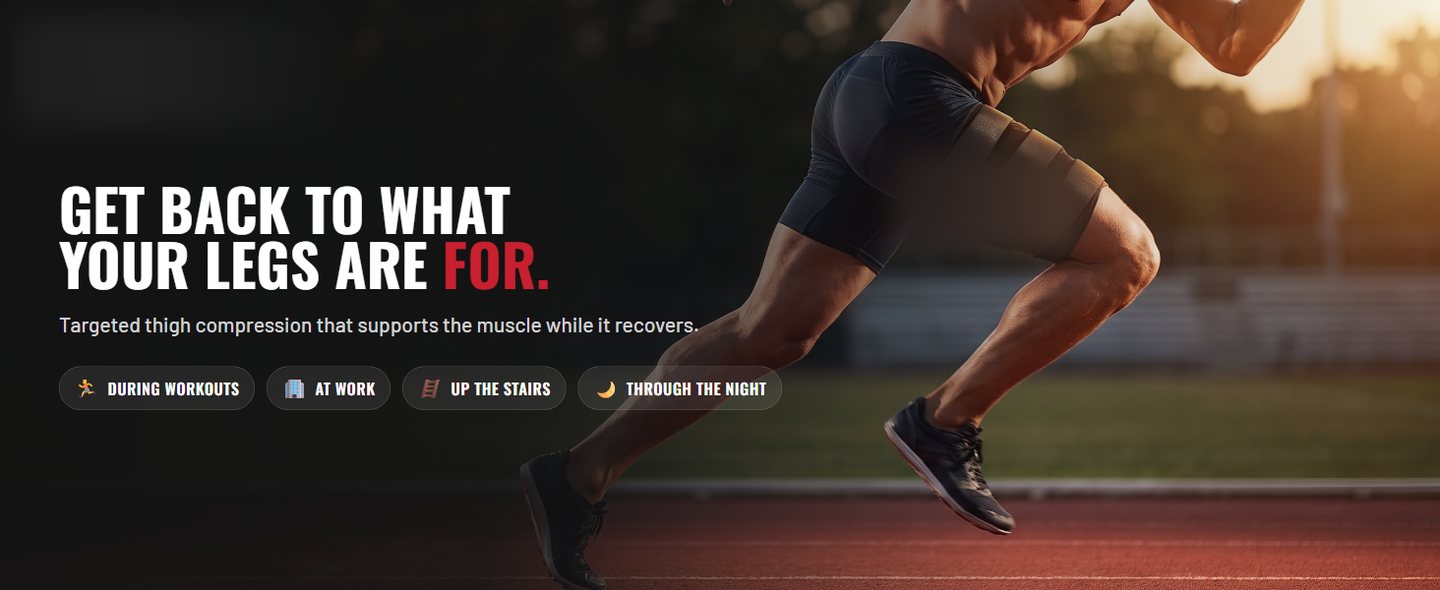
The problem: the page looked fine and still lost money
On a physical-support product, returns are the silent killer. A shopper who buys the wrong size or expects the wrong fit sends it back — and every return drags rank, burns fees, and rots the reviews. The old listing wasn't ugly. It just never did the one job that stops those returns: set the right size and body-part expectation before the click. Sizing was an afterthought, the how-to and fit guidance were buried, and the mobile view was a mangled auto-crop of the desktop image.
The strategy: the gallery converts, A+ extends the angle
The rule that shaped every decision: shoppers hit A+ after the gallery, so the two surfaces must never repeat each other. The gallery stays tight and does the converting; A+ broadens the story — use-cases, trust, fit, FAQ — where there's room to do the return-killers justice. So the size lineup, the how-to-wear, and the "measure, don't guess" guidance moved out of the gallery and into A+, where Premium gives you 7 full modules plus a free Brand Story to work with.
The gallery — tightened to convert
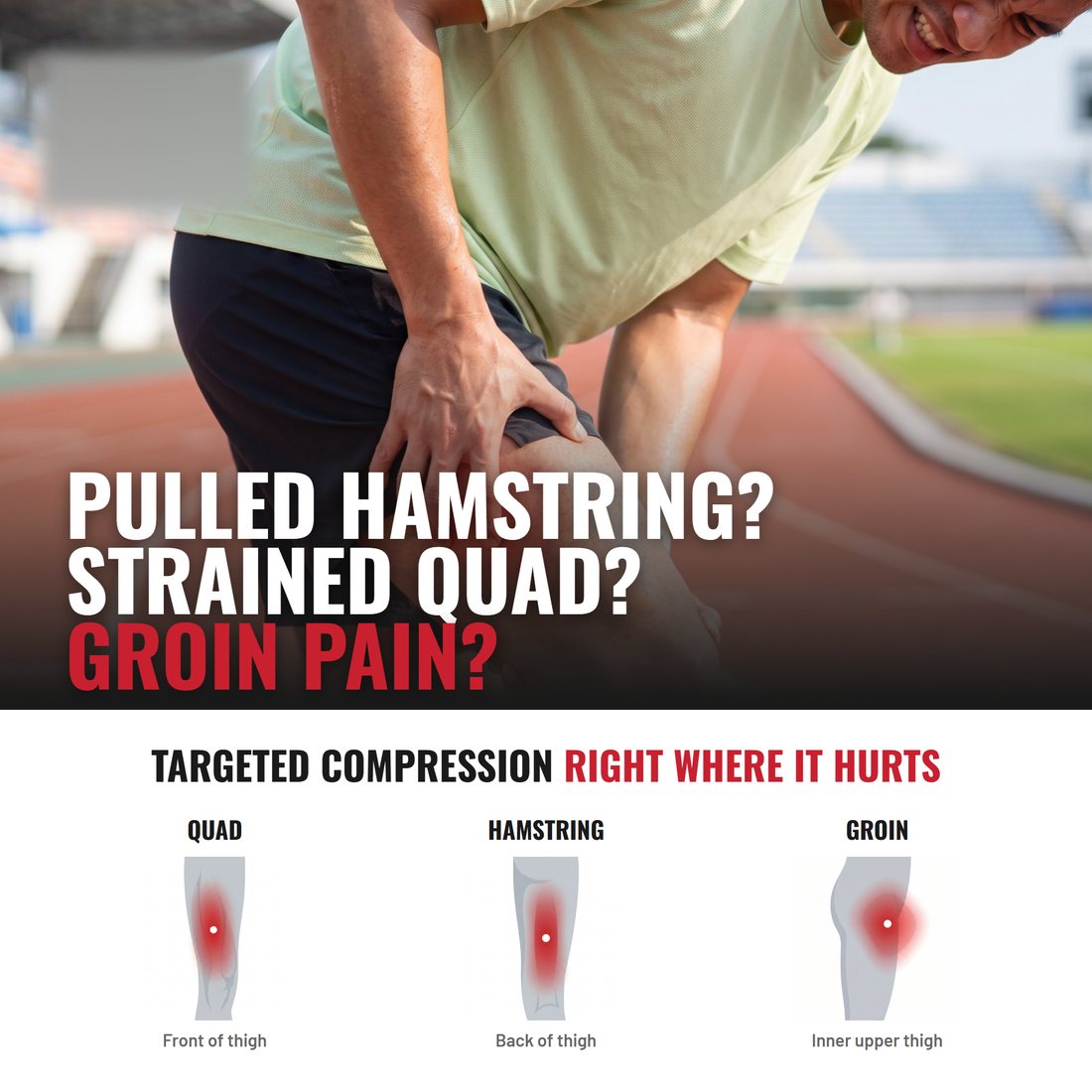
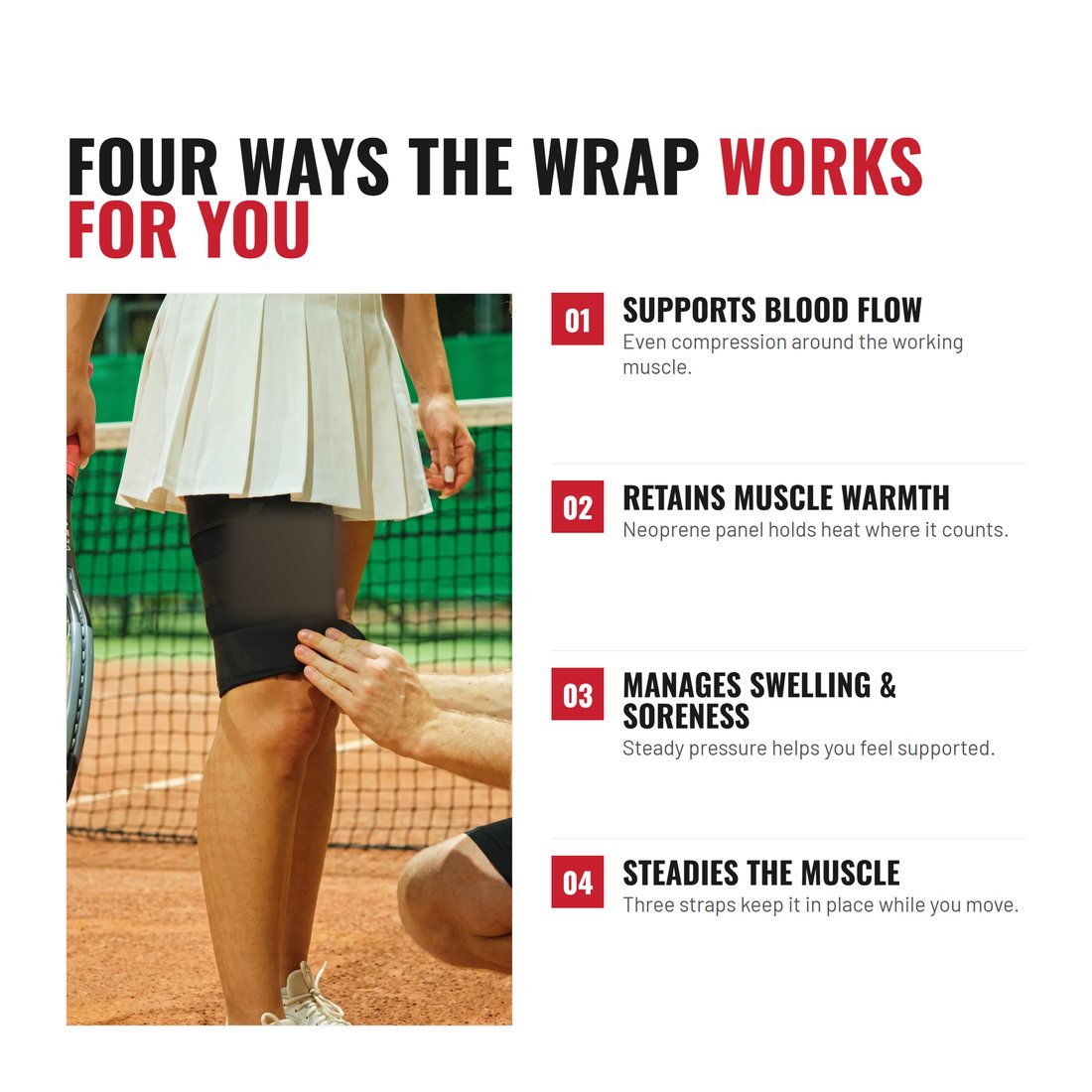
Every slot earns its place: name the pain, prove the fit range, show the four ways it works.
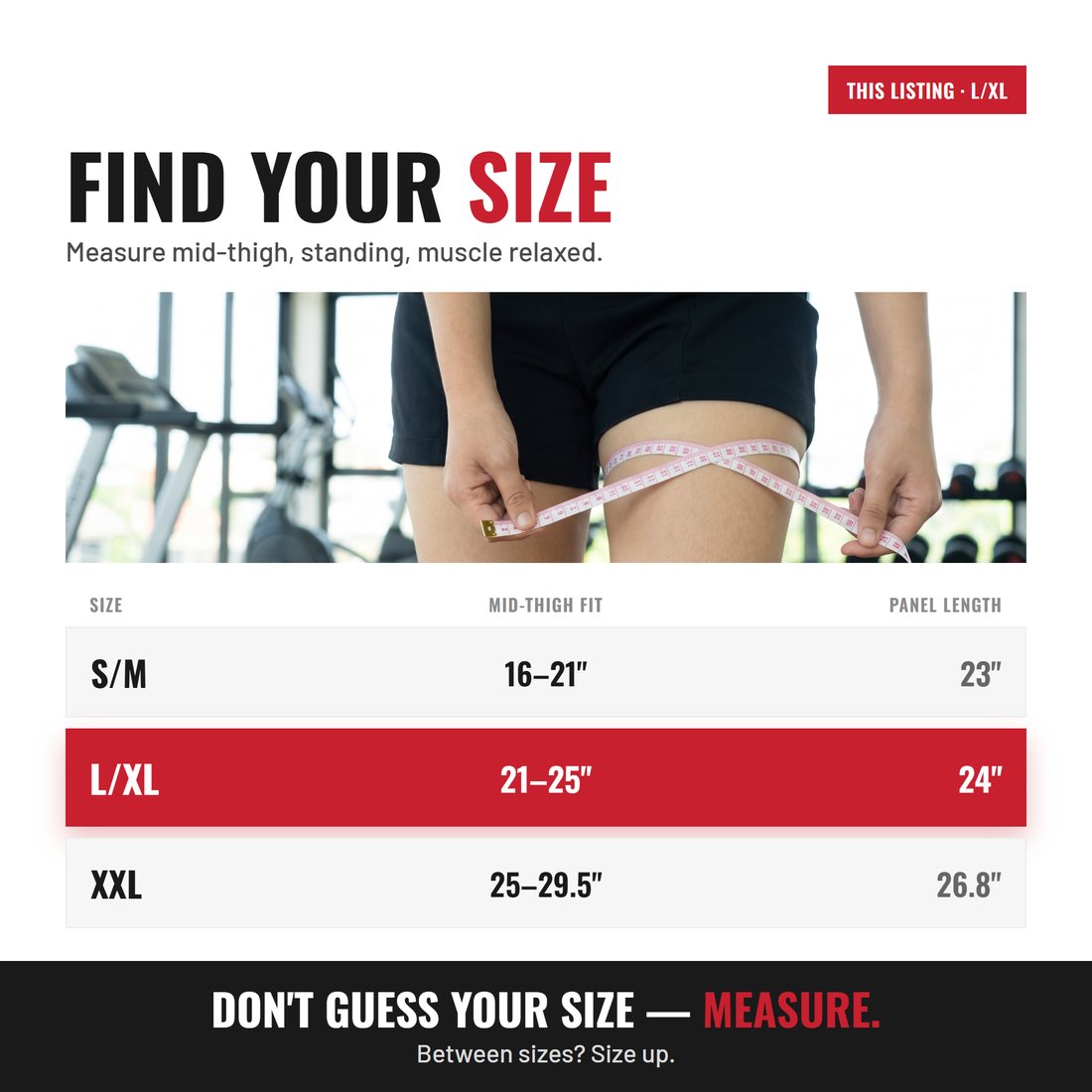
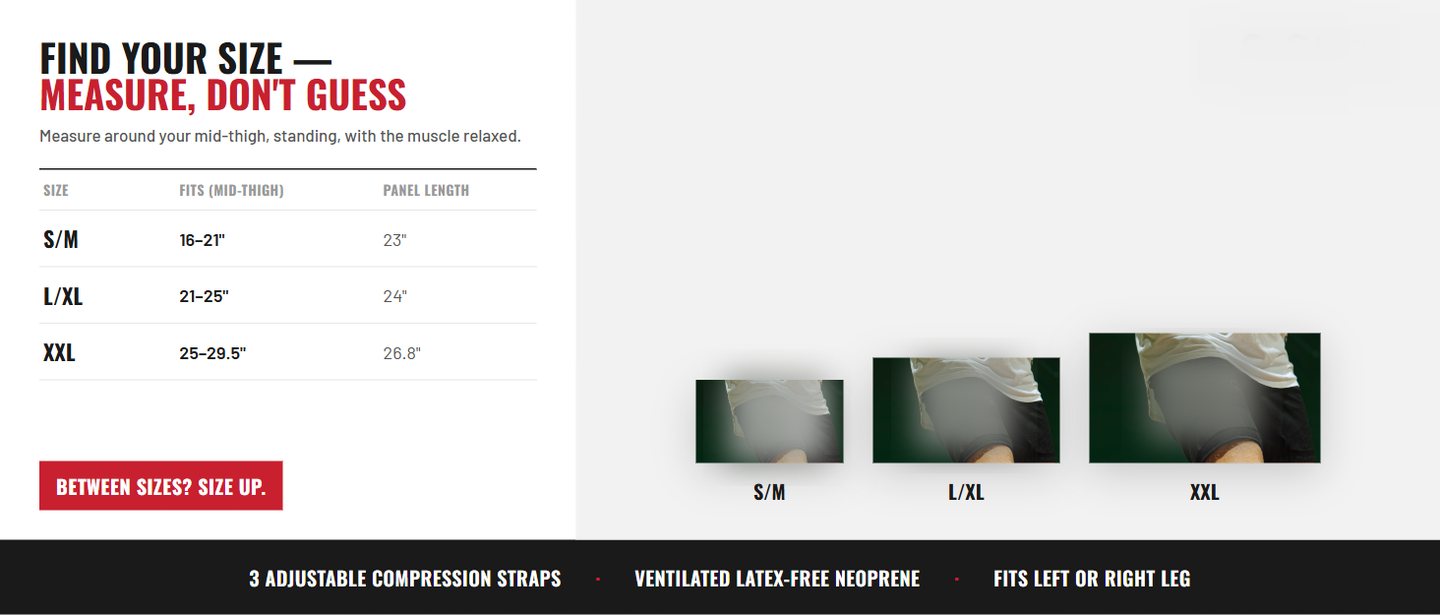
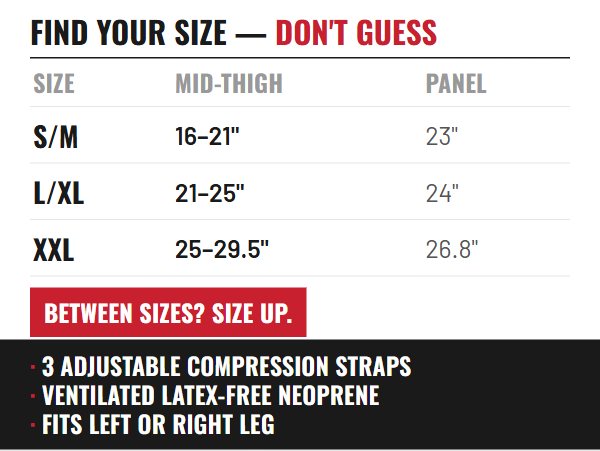
The returns lever — "measure, don't guess"
The single biggest lever on a support garment: get the buyer to measure instead of eyeballing. It ships as a desktop A+ module and a purpose-built mobile version — because Amazon re-crops the desktop image for mobile rather than scaling it, so a separate 600×450 asset is the difference between a clean size table and an unreadable one on a phone.
Premium A+ — the extended story
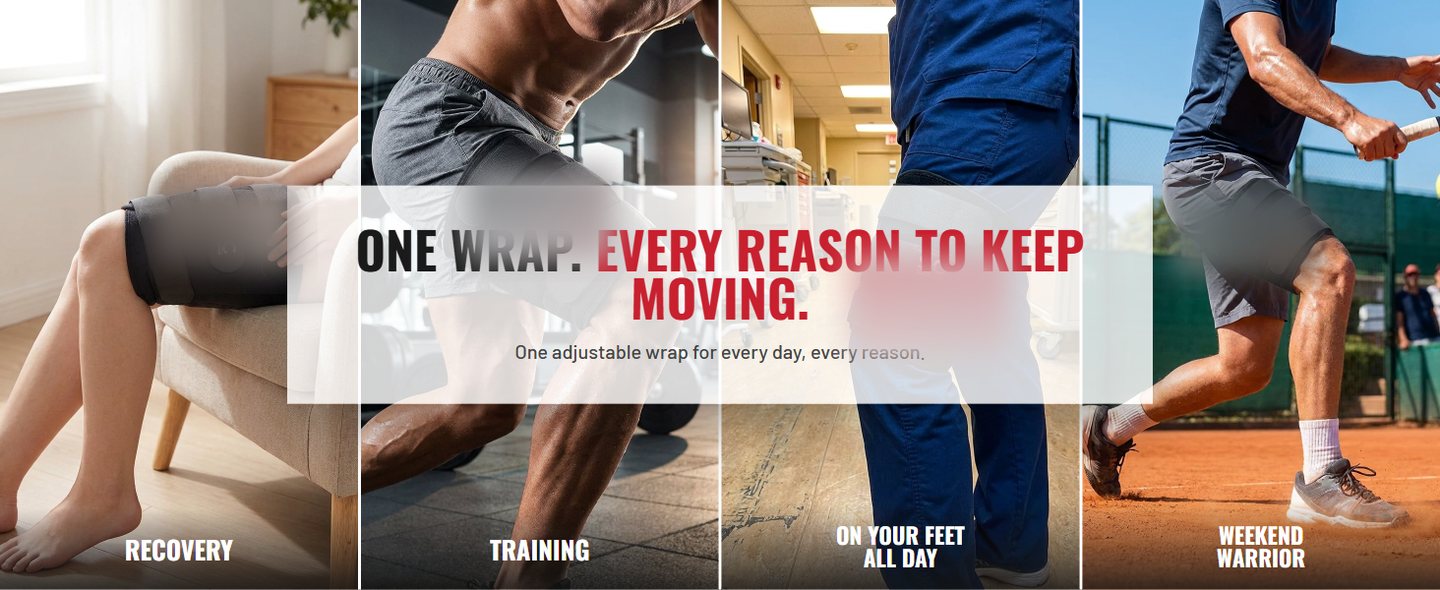
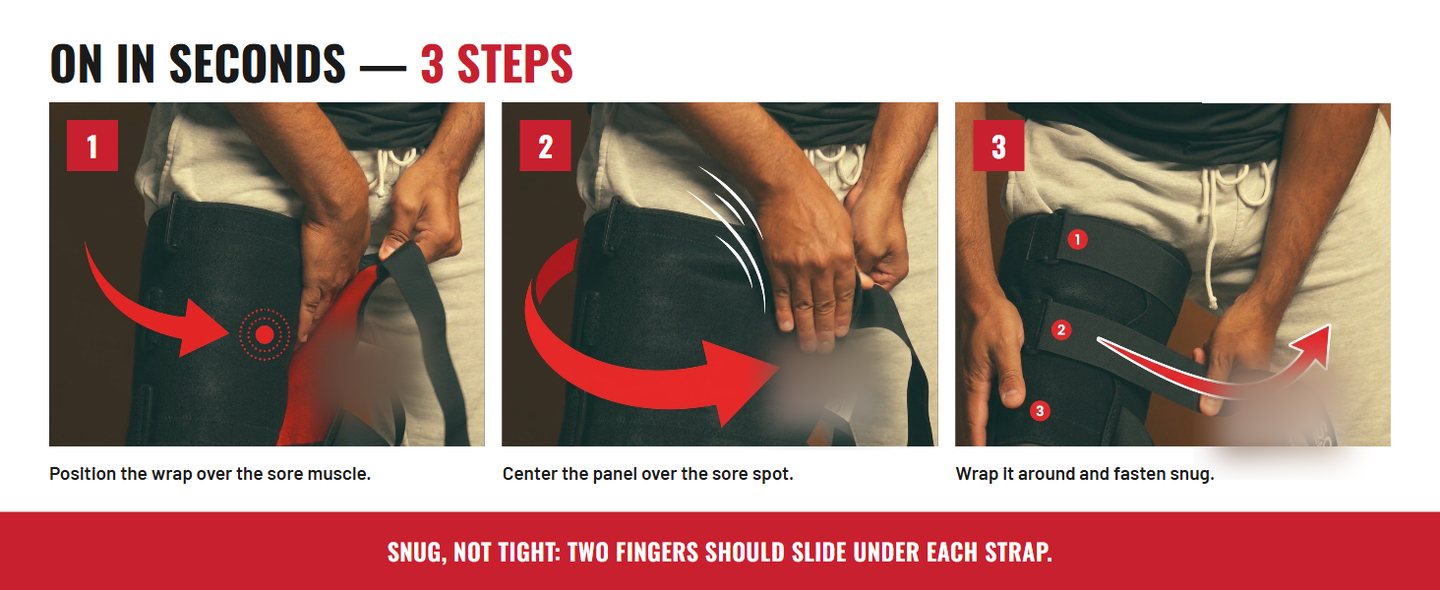
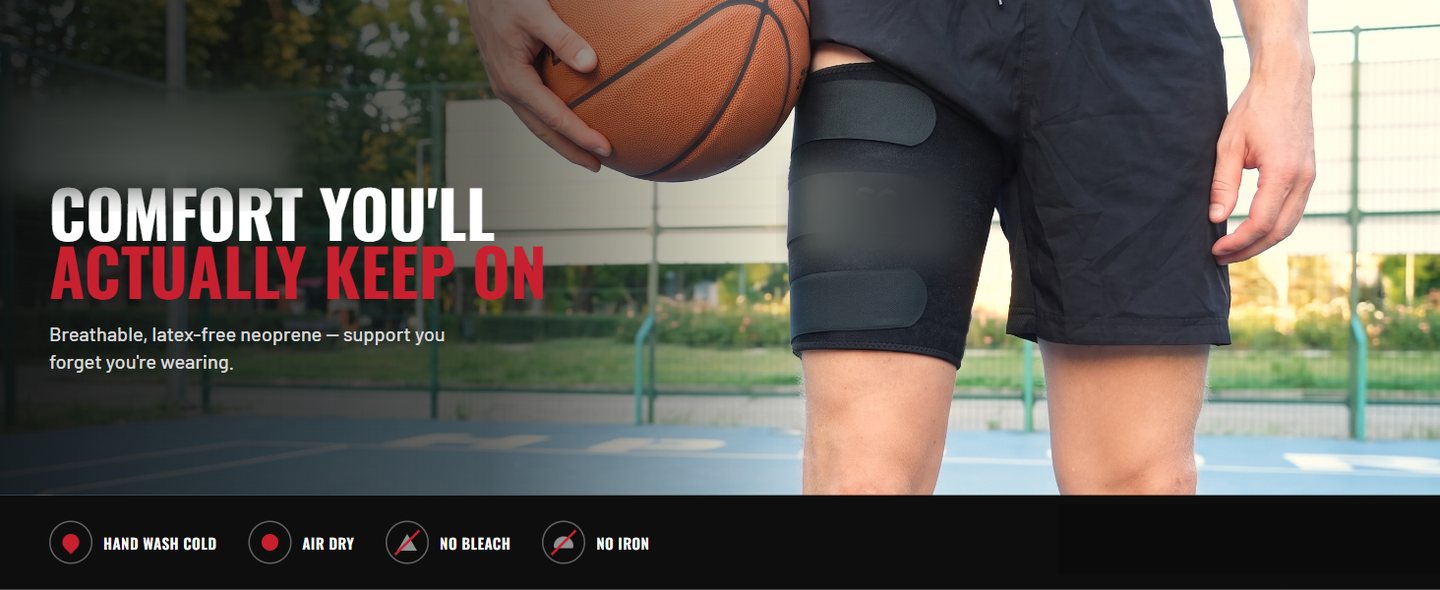
Where the gallery converts, these broaden the reasons to trust and keep it: every use-case, a seconds-long how-to, and the comfort/materials case.
The system that built it
This is the part clients actually buy. The assets are the output; the leverage is the repeatable pipeline behind them — a process that turns one strategy call into a full, spec-perfect asset set in a day.
- Diagnosis. Audit the live listing against what a shopper needs to decide and against what actually drives returns — so the fix list is tied to a metric, not to taste.
- Plan. Split the work between gallery and A+, lock every module's job and copy before a single pixel is drawn.
- Design. Build each module as an HTML "card" in a consistent brand system — fast to iterate, layout separated from photography.
- Imagery. Generate the lifestyle photo layer with AI, matched to each module's role — distinct, on-brand shots at near-zero cost instead of a photoshoot.
- Render. A local render engine rasterizes every card to pixel-perfect, exact-spec PNGs — 38 finished assets in about 15 seconds, re-runnable on every edit.
- Upload. Per-image alt text for accessibility and search, correct desktop and mobile sets, no crop surprises.
Producing this by hand — a strategy, copywriting, a lifestyle photoshoot, and per-asset design across desktop and mobile — is normally a multi-week, multi-person job. The system compresses it to a day. That's the leverage: Systems > Headcount.
Why this matters to your business
If returns are quietly eating your margin, or your listing looks fine but doesn't convert, the fix usually isn't "nicer images." It's a listing rebuilt as a system — the gallery converting, the A+ extending the angle, and the return-drivers (sizing, fit, body-part clarity) handled where there's room to do them right. I build that in days, not weeks, and hand you an asset set you can measure.
This case is anonymized on purpose — the brand's logos are removed and specifics generalized. What's shown is the method and the quality of the work, not a client's private numbers.